Wednesday, 19 February 2014

Bradcat's Japanese Culture Focus... Hachikō


Everyone knows a dog is a man's best friend but the tale of Hachiko takes loyalty to another level. In the early 1920's a Tokyo University professor named Eisaburo Ueno took in a golden brown Akita dog as a pet, and named him Hachiko. 

Over the years, Hachiko became so loyal to the professor, as to wait for him at Shibuya station after his commute from work, every day. This routine continued until May 1925, when sadly professor Eisaburo Ueno suffered from a cerebral haemorrhage while at work, and therefore never returned home. However Hachiko remained at the station... for nine years.


Local commuters brought Hachiko food and water to ensure he was looked after, until he died in March 1935. Yakitori skewers were found in Hatchiko's stomach (a popular snack in Japan) however his cause of death was attributed to cancer and worms.

A bronze statue of Hatchiko was erected in 1934 (with Hatchiko being present at the ceremony) but was recycled during World War II. However, in 1948, a society organised a new statue to be built, and is still present at Shibuya station where Hatchiko remains waiting for his master.


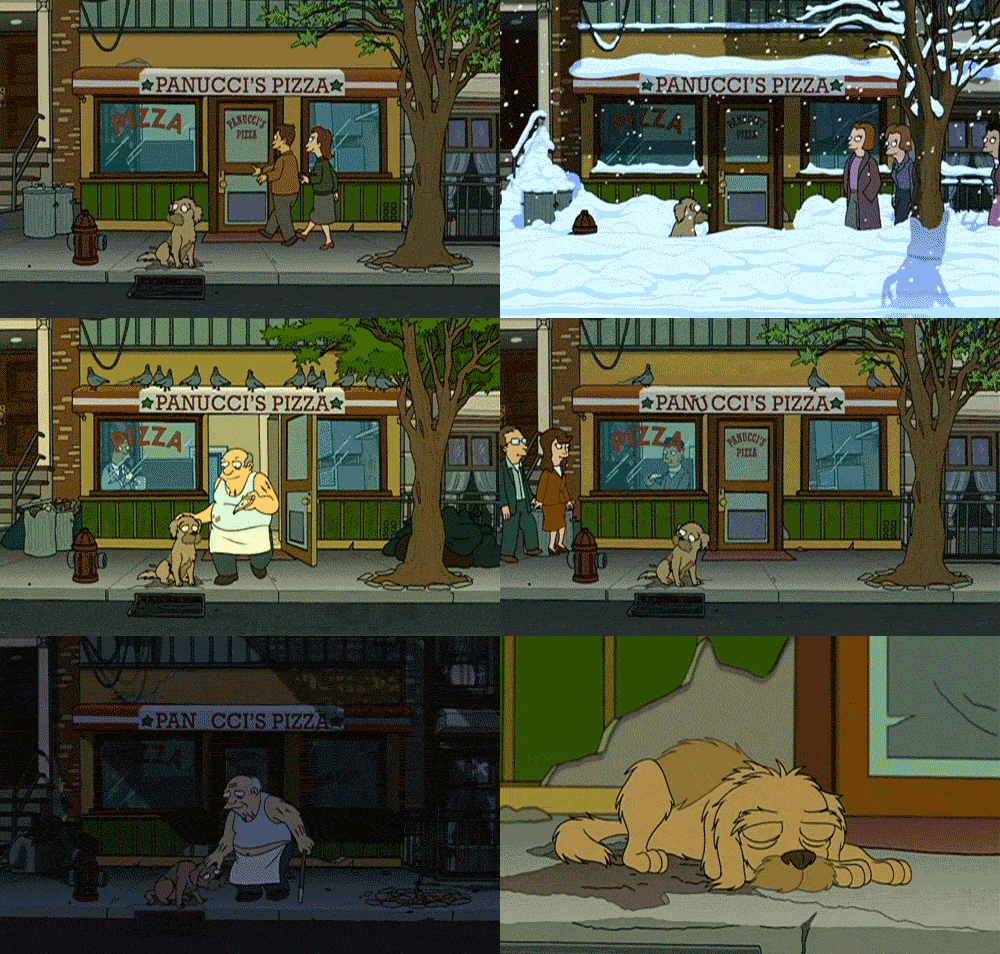
Hatchiko has been featured in a lot of popular culture, including the episode of Futurama "Jurassic Bark" in which Fry's loyal dog waits outside the pizza delivery shop he works at, even after Fry is accidentally frozen in 1999 for over 1,000 years.

Each year on April 8, Hachiko’s devotion is honored with a solemn ceremony of remembrance at Tokyo’s Shibuya railroad station. Hundreds of dog lovers often turn out to honour his memory and loyalty. 

Wednesday, 12 February 2014

Bradcat's Japanese Game Focus... Muramasa: Rebirth

The Genroku years in Japanese history are considered to be the most significant period of the Edo era. Art and architecture reached new levels of beauty, and many of the most famous events took place, including the 47 Ronin incident. So what better era to base a game story on?


Muramasa: The Demon Blade was originally released on the Nintendo Wii back in 2009, but was revamped and ported to the Playstation Vita late last year. Players assume the role of either Kisuke, a young ninja with no memories, or Momohime, a young princess possessed by the spirit of a demon.


Combat is relatively simple as combos can be chained together with simple direction pushes and tapping square. However the tactics come into play when you're given the ability to forge your own swords. As each sword has it's own durability level, and the ability to only carry three swords, players must decide on the best three swords to carry based on durability, speed, and power.

One of the larger "Oni" bosses in Momohime's chapter

The game has some beautiful 2D artwork spanning over 30 locations from Japanese history. This is a perfect example of how games don't have to be flashy, over the top, 3D innovative control, blockbusters. The simple side-scrolling formula is enjoyable and easy for any gamer to pick up.

For those who aren't a bit fan of the "hack 'n' slash" genre, don't be put off by the play stye. There is a big emphasis on character customisation and a degree of RPG style "leveling up". There are over 100 swords to piece together for you to find the best combo of three blades to suit your attacking style (I personally go for two "quick" swords and a long "slower" sword for those bigger bosses)

I often found myself pausing for a few moments to admire the artwork

The game was released in Japan in June 2013 and then other countries a few months later. While it fell under most people's radars, the addition of the game to the PSN digital store saw a huge rise in it's sales figures. So much in fact, that Muramasa Rebirth ranked as the seventh most downloaded digital Vita game on the Japanese PlayStation Network in 2013.

You can pick up Muramasa: Rebirth from PlayAsia here or view more on the PSN store here.

Monday, 10 February 2014

Bradcat's Japanese Culture Focus... Mobile Apps

We all use Apps on our mobiles, from checking stocks on the market, to taking photos of our food to post to the world. The Japanese are obviously no different, so here are some of the apps you might find on a Nippon phone...
Line


Line is quite simply a chat app. The reason it's so popular in Japan is it's creative use of "stickers" and emoticons. People can sometimes have entire conversations just using these funny little pictures. There are high levels of customisation which you can assign to various contacts, and also many other apps which tie into the main app, including mini games such as "Line-Pop" which is an overly cute "Candy Crush" style game.

Fril


Japan has seen an increase in flea market style apps in recent years. "Fril" is an app aimed at female high school or college girls. Within it's first month it was downloaded over 5,000 times, with the average item selling for 2,500 yen (Roughly £15) However don't be fooled by the over use of pink and *ahem* frills (sorry) the app was actually designed by a group of guys!

This suggestion came from Cookie via Twitter who says that aside from LINE, Twitter, and Vine, flea market apps are really taking off in Japan, due to people wanting to shift their unwanted items.


Vine


Vine has gone from strength to strength in the past year. Some users have gone on to become online celebrities because of their posts, including people such as the eccentric Marcus Johns, or British funny man "Arthur". I find myself using Vine to post videos of my cat (As do the guys over at Sakura Panda Tea Time) while other people are a little more creative with their six seconds.


One of Cookie's recent Vines when Japan was hit with snow


One of Sakura Panda Tea Time's "Amy Vines"


And finally a Vine my friend Hana made for my birthday!

There are many other useful apps which I've seen pop up from time to time. Another popular one being an earthquake indicator. Some of the better apps tie into seismic activity and can often detect earthquakes which are inbound to give people a slight heads up, while the cheaper apps simply tell you once the earthquake is occurring (essentially useless)

There are apps I use on a regular basis such as "Imiwa" which is great for those people wanting to learn Japanese and "TuneIn Radio" for those times I want to listen to Japanese radio.

If you have any favourite apps, or would like to suggest an app, please leave me a comment below and I'll update this post with your suggestion!

Sunday, 9 February 2014

Bradcat's Japanese Word of the Week... Yōkoso

Bradcat's Japanese phrase/word of the week is "yōkoso" (ようこそ) which means "Welcome!"

This is obviously used as a greeting. Let's say for example you're in the middle of a Japanese zombie apocalypse and you've taken a handful of survivors into your safe house. You could simply say "Yokoso!" as you let them in.

A safe house from Left 4 Dead

You've no doubt seen a similar phrase used in countless anime shows featuring maids, or even in real life maid cafés in Japan. This phrase is "okaerinasai goshujin sama" (お帰りなさいませ、ご主人様) and literally translates as "Welcome home master!"

totemo kawaii deshou?

Thanks to Bob Jones for today's Japanese word. If you have a favourite word you'd like to see featured, please let me know in the comments!

Sunday, 26 January 2014

Bradcat's Personal Focus... Bradcat's Birthday Bash!

January 23rd saw the "Bradcat" turn 28. That's right, I'm edging ever closer to that dreaded 3-0. But birthdays are a time for celebration, so what better way to celebrate, than to visit a Japanese themed restaurant? The venue of choice? Woktastic in Birmingham.


I'd contacted the restaurant earlier in the week via email, to enquire about large parties, and not only did they reply in record time, they were more than welcoming. However, there was one thing that clinched the deal for me... Takoyaki. For years I've seen Japanese people walking around with these hand-sized trays of battered balls, being picked at with cocktail sticks. Woktastic had these on their menu!


Takoyaki are little portions of octopus, deep fried into a ball shape.

As a part of my main meal I went for my usual ramen fix, but decided on chicken this time. Not too adventurous, but delicious none the less. I washed this down with a few glasses of Asahi beer. I was tempted to try a few of the dishes, but I had to save something for my next visit. The service was great too. The food came out in good time, and all the staff were helpful when shifting the tables around.


Asahi dry beer

I would've liked to have seen more choice of Japanese soft drinks, not just Japanese beer. Perhaps something like Ramune would've been nice, to help enhance the Japanese authenticity? I would've also loved to have tried Japanese mayo with my takoyaki (My friend who lives in Sendai said it's essential with takoyaki) but sadly we were told there wasn't any. But these are minor gripes with an otherwise fantastic visit.


Chicken ramen

Thanks to all the staff at Woktastic that helped cater for the fifteen of us, and ensured our drinks were always full. If you want to check out Woktastic for yourself, you can find them here on Twitter, here on Facebook, or via their own website.